Summary
In this interview on Going Nuclear with Trevor Hall of Clear Commodity Network, Justin Huhn, founder of Uranium Insider, argues that the recent uranium and nuclear equity selloff is indiscriminate, driven by broader market and AI-trade pressures, while the commodity itself remains in a stable uptrend. He also covers the Kazatomprom shareholder vote on a Russian supply deal, the split between Eastern and Western buying behavior, and the timing of expected new US reactor announcements.
Transcript
Key Takeaways:
- Indiscriminate Selling: Huhn attributes the selloff to AI-factor baskets at multi-strategy funds dumping nuclear and uranium names once loss triggers are hit, plus October 31 fiscal-year-end tax-loss selling, a point raised by Arthur Hyde of Segra Capital Management in a members’ webinar. He notes spot uranium is up over 10% this year while URA is down 20%, with the RSI at 24 and the sector down seven or eight weeks in a row.
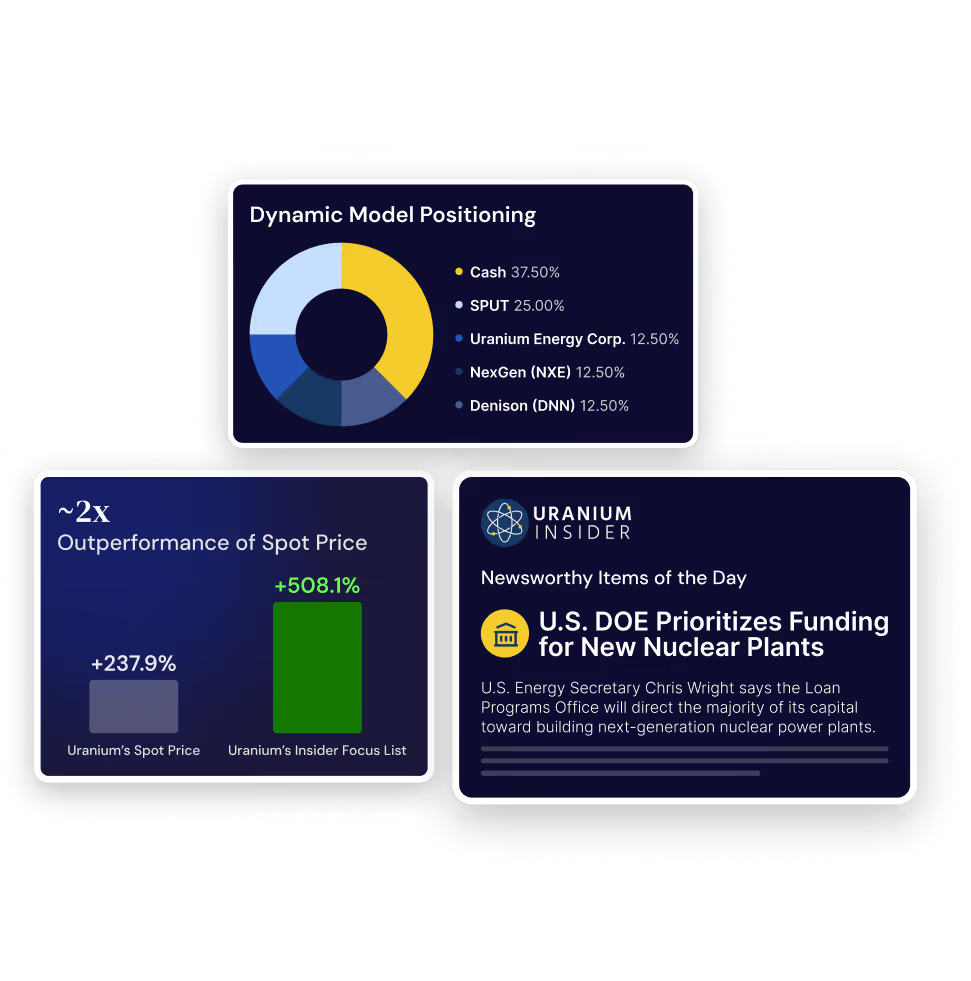
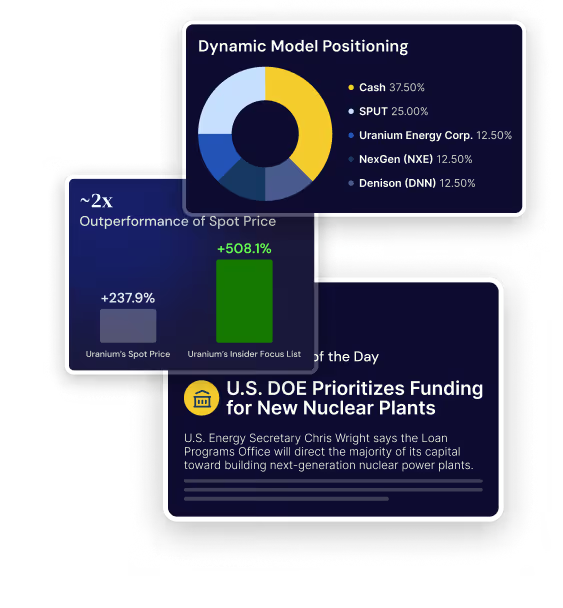
- Contrarian Positioning: Huhn says oversold conditions for uranium and nuclear stocks have not been seen possibly ever, except perhaps March 2020, and that his team has been putting cash to work over the past few weeks and months after building cash earlier in the year. He stops short of calling an absolute bottom, and reports that no one at the NEI International Uranium Fuels conference in Houston, fuel buyers included, believed uranium was headed lower.
- Kazatomprom Vote: Kazatomprom shareholders rejected a Russian uranium deal while approving a Chinese contract, and the sovereign wealth fund holding about 70% of the company abstained. Huhn says the rejection may reflect either political caution over new Russia-related sanctions or dissatisfaction with the terms, and that the contract could be resubmitted.
- Russian Enrichment Constraints: Huhn considers the bigger story to be that Russia, the number three uranium producer and number one in enrichment, is buying uranium at all. He believes Russia’s SWU availability is leveling off or falling, with tails likely rising and underfeeding diminishing, all of which tighten the uranium market.
- Supply Bifurcation: Huhn describes Eastern state-backed entities expanding supply, including Uzbekistan, where he models production going from roughly 18 million pounds last year to the low 20s by the end of the decade. Western projects stall: Deep Yellow said equity market conditions did not support a final investment decision on Tumas, and Huhn now expects Tumas production around 2030 or later, versus 2027 two years ago.
- East vs. West Contracting: Huhn says India and China are signing long-term market-referenced contracts with high ceilings with Cameco and Kazatomprom, while Western utilities are leaning on spot purchases and short base-escalated carry trades at triple-digit prices. He cites Cameco and Kazatomprom as the only two cash-flow-positive companies in the publicly traded uranium universe.
- New Reactor Announcements: Huhn expects announcements of new US builds in the first half of next year, possibly Q1, a delay from his earlier expectation of this year. He points to the DOE’s roughly $17 billion loan program and a structure under which power purchase agreements would be restructured to protect utilities against cost overruns, though his model includes zero new US or UK nuclear capacity.